
The Fascinating History of Fridge Magnets: From Industrial Tool to Global Souvenir Sensation
Walk into any kitchen around the world, and you’ll likely spot a familiar sight: a fridge door adorned with colorful, quirky, or sentimental fridge magnets. These tiny, unassuming accessories have become a universal part of home decor, holding grocery lists, family photos, and cherished memories. But few people stop to wonder: where did fridge magnets come from? How did they evolve from a practical industrial tool into a beloved global souvenir and decorative staple? Let’s take a journey through the decades to uncover the rich history of fridge magnets—one that’s intertwined with innovation, culture, and the joy of personal expression.
The 1920s: The Humble Beginnings
The story of fridge magnets begins in the 1920s, a time when refrigerators were just starting to become a common household appliance. Contrary to popular belief, the first fridge magnets were not designed for decoration—they were purely functional. These early magnets were inflexible, cylindrical or rectangular in shape, made from ferrite (a magnetic material still used today) with simple decorative elements attached by adhesive. Their primary purpose? To hold notes, recipes, or small papers to the fridge door, which was quickly becoming a central hub of the modern kitchen.
At this stage, magnets themselves were not new—lodestones (natural magnetic ore) had been known since 2500 BC, and magnetic properties had been used in compasses for centuries. But the 1920s marked the first time permanent steel magnets were adapted for commercial and domestic use, laying the groundwork for the fridge magnets we know today. However, these early versions were clunky, plain, and far from the colorful collectibles we associate with the item now.
The 1950s: A Turning Point for Fridges and Magnets
The 1950s was a pivotal decade for fridge magnets, thanks to a key innovation in refrigerator design: enameled steel doors. Before this, fridge doors were often made of non-magnetic materials, which limited the use of magnets. But as enameled steel became the industry standard, fridges gained a smooth, durable, and magnetic surface—perfect for holding magnets. This change was initially practical, making fridges easier to clean and available in a variety of colors to match post-war consumer culture, but it unintentionally created a new canvas for decoration.
Another game-changer of the 1950s was the introduction of the alnico magnetic alloy, which replaced traditional fridge door latches. This upgrade made fridge doors more reliable and safer for children, while also popularizing the idea of magnets as a functional part of household appliances. By the end of the decade, small, decorative magnets began to emerge, though they were still simple—often featuring basic prints or small figurines attached to magnetic backing.
The 1960s–1970s: From Utility to Advertising and Souvenirs
The 1960s and 1970s saw fridge magnets evolve from functional tools to promotional powerhouses. As mass production became more accessible, local businesses began using printed fridge magnets as a low-cost advertising tool—think magnetic business cards, calendars, or phone number stickers. These flat, printable magnets were inexpensive to produce, easy to distribute, and useful to consumers, making them a hit with restaurants, shops, and service providers.
This era also marked the birth of the flexible fridge magnet, a innovation that revolutionized the industry. Composed of a high-coercivity ferrimagnetic compound (usually barium ferrite) mixed with a plastic binder and extruded as a sheet, these flexible magnets were thinner, lighter, and more versatile than their rigid predecessors. They could be printed with vibrant designs, cut into any shape, and produced in large quantities—perfect for both advertising and the emerging souvenir market.
The 1980s–1990s: The Souvenir Boom and Collectors’ Obsession
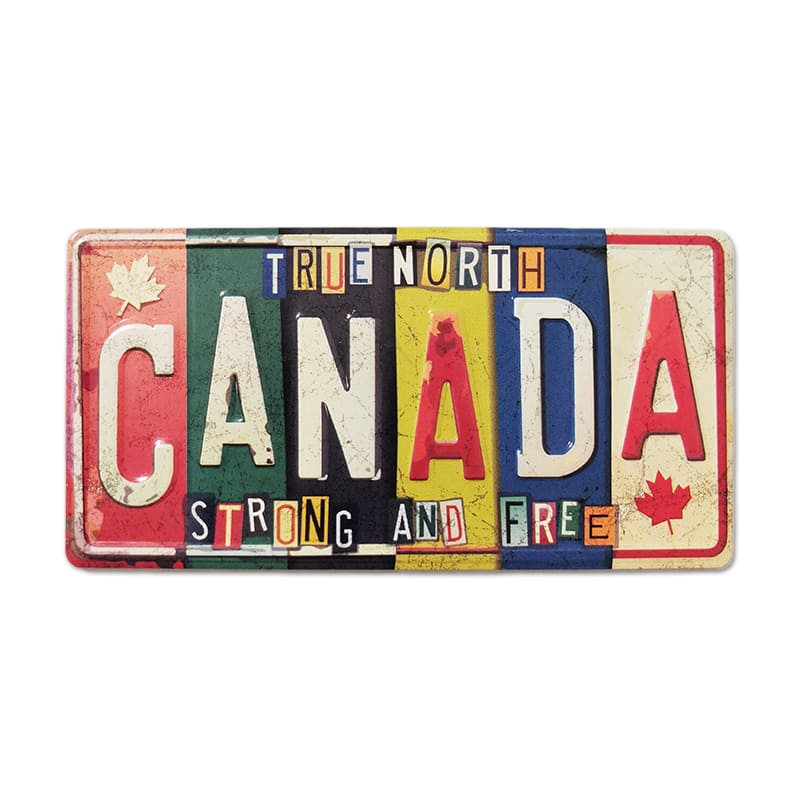
The 1980s and 1990s were the golden age of fridge magnets, driven by the boom in global tourism. As more people traveled internationally, they sought lightweight, affordable souvenirs that could easily fit in a suitcase—and fridge magnets were the perfect solution. Manufacturers began creating magnets featuring iconic landmarks, cultural symbols, and regional art, turning them into miniature pieces of travel memorabilia. Airports, museums, and gift shops around the world started stocking these souvenirs, and they quickly became bestsellers.
This decade also saw the rise of fridge magnet collecting as a hobby. In 1997, Louise J. Green Farb from Nevada set a Guinness World Record with 19,300 fridge magnets, a collection that grew to over 65,000 by the time of her death in 2019. In Wales, teacher Tony Lloyd became Europe’s top collector in the 1990s, with over 2,000 magnets, a number that grew to over 5,000 by 2018 as he traveled to his 104th country. This collector’s craze helped fuel demand for unique, high-quality magnets, pushing manufacturers to innovate with new materials and designs.
The 2000s to Today: Customization, Sustainability, and Global Appeal
In the 2000s, advances in manufacturing technology—such as 3D resin molding and high-definition printing—took fridge magnets to new heights. Manufacturers could now create highly detailed, lifelike designs, from 3D replicas of famous landmarks to intricate hand-painted patterns. This innovation made fridge magnets even more popular as souvenirs and decorative items, with options to suit every style and taste.
Today, fridge magnets are more versatile than ever. They’re no longer just souvenirs or advertising tools—they’re a form of personal expression. Custom fridge magnets have become a staple for businesses, families, and event organizers, allowing people to print photos, logos, or messages on magnetic backing. From vintage-style metal magnets to eco-friendly wooden designs, there’s a fridge magnet for every preference, reflecting the diverse tastes of global consumers.
For businesses (international trade businesses), fridge magnets remain a timeless and profitable product. Their low production cost, lightweight design (easy to ship globally), and universal appeal make them a top choice for importers and exporters. Whether it’s custom souvenir magnets for tourism boards, promotional magnets for brands, or decorative magnets for home decor retailers, the demand for high-quality fridge magnets continues to grow worldwide.
Why Fridge Magnets Are Here to Stay
What makes fridge magnets so enduring? It’s their perfect blend of function and emotion. They hold our notes and photos, yes—but they also hold our memories: a trip to Paris, a family reunion, a favorite vacation spot. They’re small, affordable, and easy to collect, making them accessible to people of all ages and cultures.
From their humble beginnings as rigid industrial tools in the 1920s to their current status as global souvenirs and custom decor, fridge magnets have come a long way. They’ve adapted to changing technologies, consumer tastes, and global trends, yet they remain a simple, beloved part of our daily lives. For sellers, this enduring popularity means a steady market for innovative, high-quality fridge magnets that tell stories, celebrate culture, and bring joy to homes around the world.